Will HMRC get my crypto exchange data? (CARF)
Yes. Under the Cryptoasset Reporting Framework (CARF), crypto exchanges and service providers must collect identifying details and transaction data about their users and report them to tax authorities. In the UK, providers collect this data from 1 January 2026, report to HMRC, and HMRC exchanges information with other participating countries from 2027 — covering UK users of overseas exchanges too. In practice this means HMRC can match what platforms report against what you declare on your Self Assessment. If you have disposed of crypto and made gains above the annual exempt amount, work out and report what you owe rather than wait to be contacted.
What CARF actually is
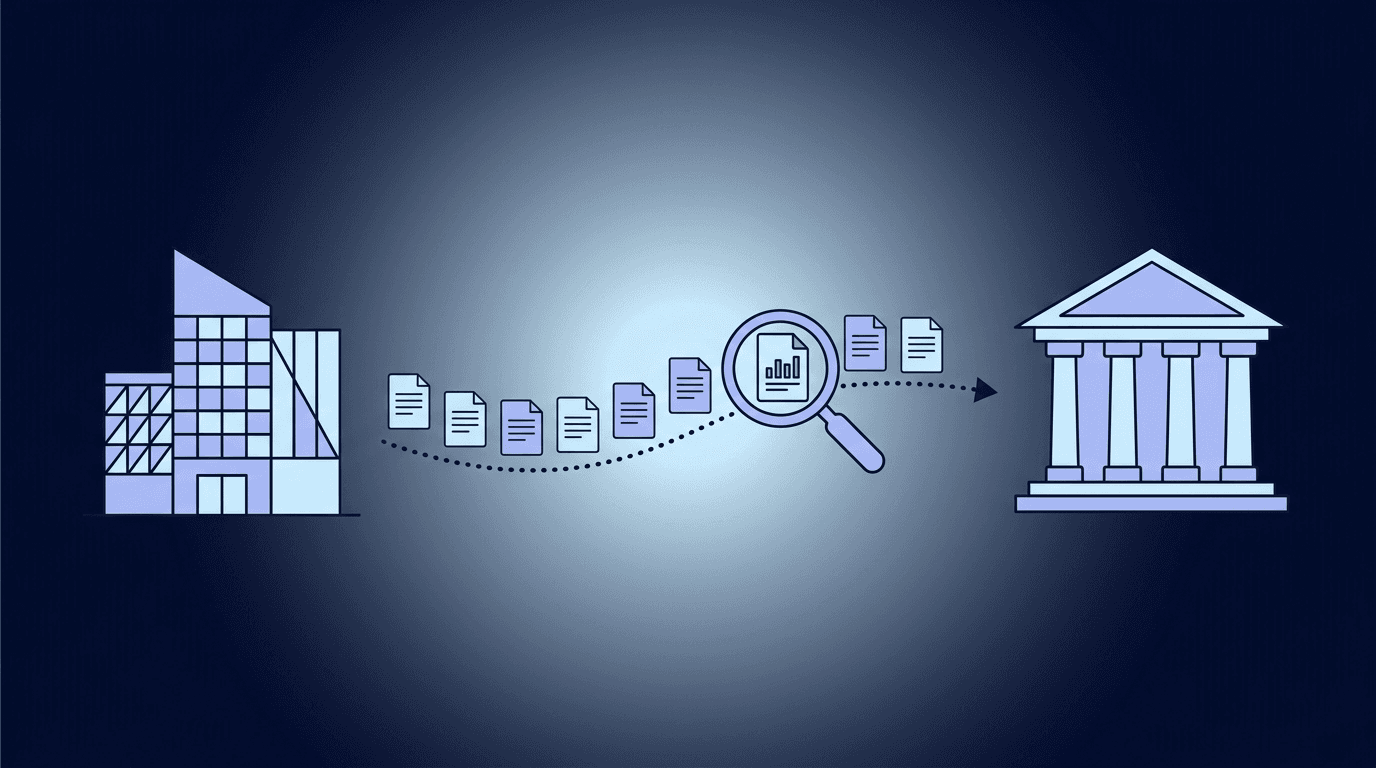
CARF is an OECD framework — crypto's equivalent of the Common Reporting Standard that ended banking secrecy for offshore accounts. Participating countries require crypto platforms to identify their users (name, address, tax residence) and report their transaction activity. Each tax authority then shares data about foreign-resident users with the user's home authority.
The UK has adopted it. UK-based providers must collect user data from 1 January 2026 and file their first reports to HMRC in 2027; HMRC will both receive data about UK residents from other countries and send data about foreign residents the other way. UK users' data is also reported to HMRC directly.
What this means for you
Exchanges will ask you (or already have) to confirm your name, address, date of birth and tax residency — there are penalties for users who provide inaccurate details. More importantly, HMRC will hold a growing dataset of who transacted what. Its systems already send "nudge letters" to people whose declared income doesn't match third-party data; crypto is joining that machine.
None of this changes what tax you owe — the CGT rules are the same as they've always been. What changes is the probability that undeclared gains go unnoticed.
What to do about it
If your disposals are recent (within Self Assessment deadlines), calculate your gains properly and report them on time — that's the whole game. If you think you have undeclared gains from earlier years, it is far better to approach HMRC through a voluntary disclosure before a letter arrives: penalties for prompted disclosures are materially higher than for unprompted ones. A UK crypto tax specialist can manage a disclosure for you.
Run your own numbers — free
Our calculator applies these rules to your transactions and shows the full working for every disposal — same-day, 30-day and Section 104 matching, per tax year.
Open the calculator →Frequently asked questions
Does CARF cover overseas exchanges?
Yes — that's its point. A platform based in another participating country reports your data to its local authority, which exchanges it with HMRC because you're UK tax-resident.
Does HMRC see my self-custody wallet?
CARF covers service providers — exchanges, brokers, some wallet providers. Purely self-custodied activity isn't directly reported, but the moment funds touch a regulated platform (on-ramp or off-ramp), that activity is visible.
I only made small gains. Do I need to worry?
If your net gains are within the £3,000 annual exempt amount and your proceeds are under the reporting threshold, you may owe nothing and have nothing to report. Run the numbers — that's exactly what our free calculator is for.
Sources & methodology
- GOV.UK: Cryptoasset Reporting Framework (CARF)
- GOV.UK: CARF — reporting of UK resident cryptoasset users to HMRC
- GOV.UK: Check if you need to pay tax when you sell cryptoassets
Tool v0.2.0 · sources last checked 6 July 2026. This guide is general information, not tax or financial advice — verify your position with a qualified professional before filing.